News
Why Water Temperature Changes Perceived Exercise Intensity
"Feel the burn: how water temperature affects your workout intensity"
Water temperature can have a significant impact on how intense exercise feels. When the water is warmer, it can make exercise feel easier and more comfortable, while colder water can make exercise feel more challenging and intense. This is due to the way our bodies respond to different temperatures and how it affects our perception of effort during physical activity. Understanding why water temperature changes perceived exercise intensity can help individuals tailor their workouts to achieve their fitness goals more effectively.
Impact of Water Temperature on Perceived Exercise Intensity in Swimming
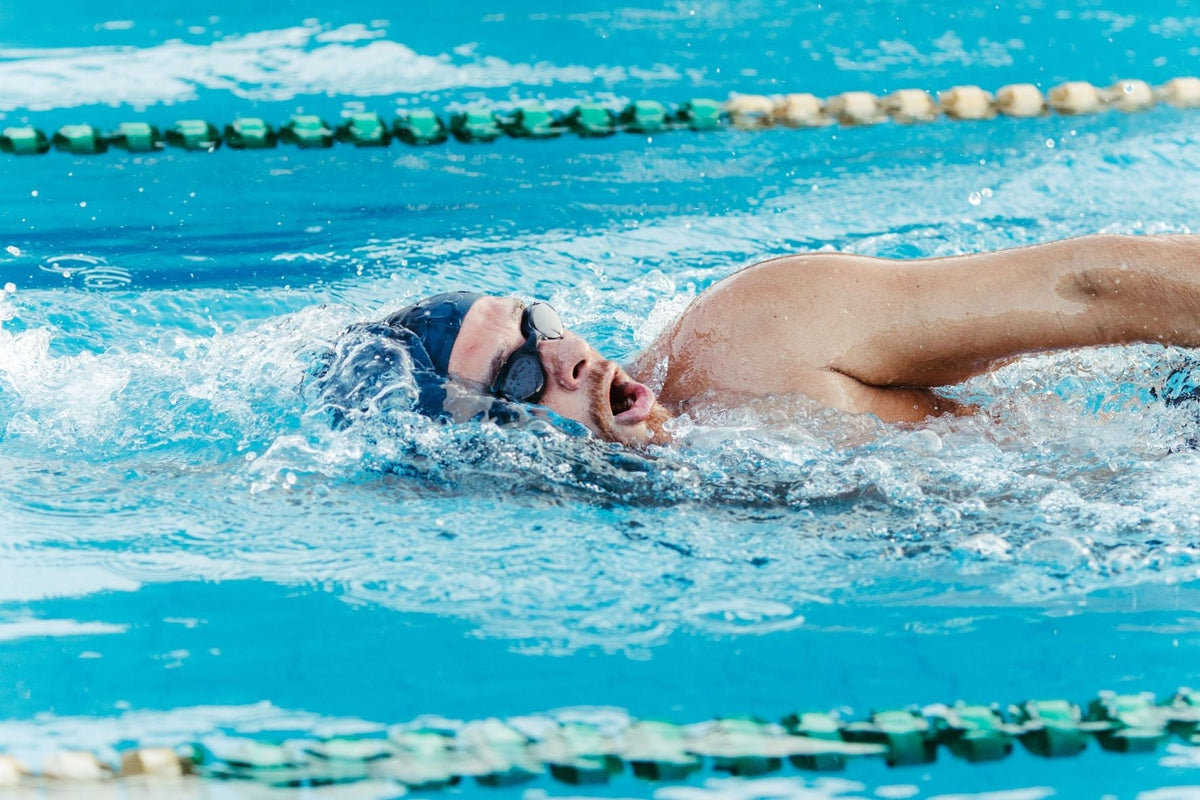
Have you ever noticed that swimming in cold water feels more challenging than swimming in warm water? It turns out that water temperature can have a significant impact on how we perceive exercise intensity while swimming. Understanding why this happens can help us better prepare for our workouts and optimize our performance in the water.
When we swim in cold water, our bodies have to work harder to maintain a stable internal temperature. This extra effort can make the workout feel more intense, even if we are swimming at the same pace as we would in warmer water. The cold water constricts our blood vessels, which can lead to decreased blood flow to our muscles. This reduced blood flow can make our muscles feel fatigued more quickly, causing us to perceive the exercise as more difficult.
On the other hand, swimming in warm water can have the opposite effect. The warm water helps to dilate our blood vessels, increasing blood flow to our muscles and improving oxygen delivery. This can make the workout feel easier and less strenuous, even if we are exerting the same amount of effort as we would in colder water. The increased blood flow can also help to flush out lactic acid and other waste products from our muscles, reducing fatigue and allowing us to swim for longer periods of time.
The temperature of the water can also affect our perception of effort. When we swim in cold water, our bodies have to work harder to generate heat and maintain a stable internal temperature. This increased effort can make us feel like we are working harder than we actually are, leading to a higher perceived exertion level. In contrast, swimming in warm water can make us feel more comfortable and relaxed, reducing our perceived effort level and making the workout feel easier.
In addition to the physical effects of water temperature on exercise intensity, there are also psychological factors at play. Cold water can be mentally challenging for many swimmers, causing feelings of discomfort and anxiety. These negative emotions can contribute to a higher perceived exertion level and make the workout feel more difficult than it actually is. On the other hand, swimming in warm water can be more enjoyable and relaxing, leading to a lower perceived effort level and a more positive workout experience.
So, what can we do to optimize our performance in the water and make the most of our workouts? One strategy is to acclimate to the water temperature before starting your swim. Spend a few minutes wading in the water and gradually submerge yourself to allow your body to adjust to the temperature. This can help to reduce the shock to your system and make the workout feel more comfortable.
Another tip is to dress appropriately for the water temperature. Wearing a wetsuit or thermal swim cap can help to insulate your body and keep you warm in cold water, reducing the extra effort required to maintain your internal temperature. On the other hand, wearing lighter clothing or a swim cap in warm water can help to prevent overheating and make the workout feel more comfortable.
By understanding the impact of water temperature on perceived exercise intensity in swimming, we can better prepare for our workouts and optimize our performance in the water. Whether you prefer swimming in cold or warm water, adjusting your approach to match the temperature can help you make the most of your time in the pool. So next time you hit the water, pay attention to how the temperature affects your workout and make adjustments as needed to ensure a successful swim.
How Water Temperature Affects Aquatic Fitness and Pool Exercise

Have you ever noticed that your workout feels more challenging when you're swimming in cold water compared to warm water? It's not just in your head - there's actually a scientific reason behind why water temperature can change your perceived exercise intensity.
When you exercise in water, your body has to work harder to maintain its core temperature. In cold water, your body loses heat more quickly, which means your muscles have to work harder to keep you warm. This extra effort can make your workout feel more intense, even if you're doing the same exercises at the same intensity as you would in warmer water.
On the other hand, exercising in warm water can have the opposite effect. When your body is in a warmer environment, your muscles don't have to work as hard to maintain their temperature. This can make your workout feel easier, even if you're pushing yourself just as hard as you would in colder water.
The temperature of the water can also affect your heart rate and breathing rate during exercise. In cold water, your heart rate and breathing rate may increase as your body works harder to stay warm. This can make your workout feel more challenging and can also lead to faster fatigue.
In warm water, your heart rate and breathing rate may be lower because your body doesn't have to work as hard to maintain its temperature. This can make your workout feel less intense and can help you exercise for longer periods of time without feeling as fatigued.
So, what does this mean for your aquatic fitness routine? It's important to be aware of how water temperature can affect your perceived exercise intensity so that you can adjust your workout accordingly. If you're looking for a more challenging workout, try exercising in colder water. If you're looking for a more relaxed workout, opt for warmer water instead.
It's also important to listen to your body and pay attention to how you're feeling during your workout. If you start to feel too cold or too hot, it's important to take a break and adjust your workout environment to ensure that you're exercising safely and effectively.
In conclusion, water temperature can have a significant impact on your perceived exercise intensity during aquatic fitness and pool exercise. By understanding how water temperature affects your body and adjusting your workout accordingly, you can make the most of your time in the pool and achieve your fitness goals more effectively. So next time you hit the water for a workout, pay attention to the temperature and see how it influences your exercise experience.
The Relationship Between Water Temperature and Swimming Performance
Have you ever noticed how the temperature of the water can affect your perception of exercise intensity while swimming? It's not just in your head - there is actually a scientific reason behind this phenomenon. The relationship between water temperature and swimming performance is a fascinating topic that can have a significant impact on your overall experience in the pool.
When you first dip your toes into a cold pool, you may notice that your muscles tense up and your breathing quickens. This is because cold water causes vasoconstriction, which is the narrowing of blood vessels in response to the drop in temperature. As a result, your heart has to work harder to pump blood throughout your body, which can make swimming feel more challenging than it actually is.
On the other hand, when you swim in warm water, your blood vessels dilate, allowing for better circulation and oxygen delivery to your muscles. This can make you feel more relaxed and comfortable in the water, which can lead to a decrease in perceived exercise intensity. In fact, studies have shown that swimmers tend to perform better in warmer water compared to colder water, as their bodies are able to work more efficiently in these conditions.
The temperature of the water can also affect your body's thermoregulation, or its ability to maintain a stable internal temperature. When you swim in cold water, your body has to work harder to stay warm, which can lead to a quicker depletion of energy stores and a decrease in overall performance. On the other hand, swimming in warm water can help to conserve energy and improve endurance, allowing you to swim for longer periods of time without feeling fatigued.
In addition to the physical effects of water temperature on swimming performance, there are also psychological factors at play. Cold water can be intimidating and uncomfortable for many swimmers, leading to feelings of anxiety and stress that can negatively impact performance. On the other hand, warm water can be soothing and relaxing, creating a more positive and enjoyable swimming experience.
So, what can you do to optimize your swimming performance based on water temperature? One option is to acclimate yourself to different water temperatures by gradually increasing or decreasing the temperature of the water during your swims. This can help your body adjust to the conditions and improve your overall performance over time.
Another option is to use temperature-specific strategies to enhance your performance. For example, if you are swimming in cold water, you can wear a wetsuit to help retain heat and improve buoyancy. If you are swimming in warm water, you can focus on staying hydrated and maintaining proper nutrition to support your energy levels.
Overall, the relationship between water temperature and swimming performance is a complex and multifaceted topic that can have a significant impact on your overall experience in the pool. By understanding how water temperature affects your body and mind, you can make informed decisions to optimize your performance and enjoy your time in the water to the fullest.
Conclusion
Water temperature can affect perceived exercise intensity because colder water can make the body work harder to maintain its core temperature, leading to a higher perceived effort during exercise. On the other hand, warmer water can help relax muscles and reduce perceived effort during exercise. Overall, water temperature plays a significant role in how intense exercise feels to an individual.