News
Moisture-Wicking Isn't One Technology: Understanding How Athletic Fabrics Actually Move Sweat
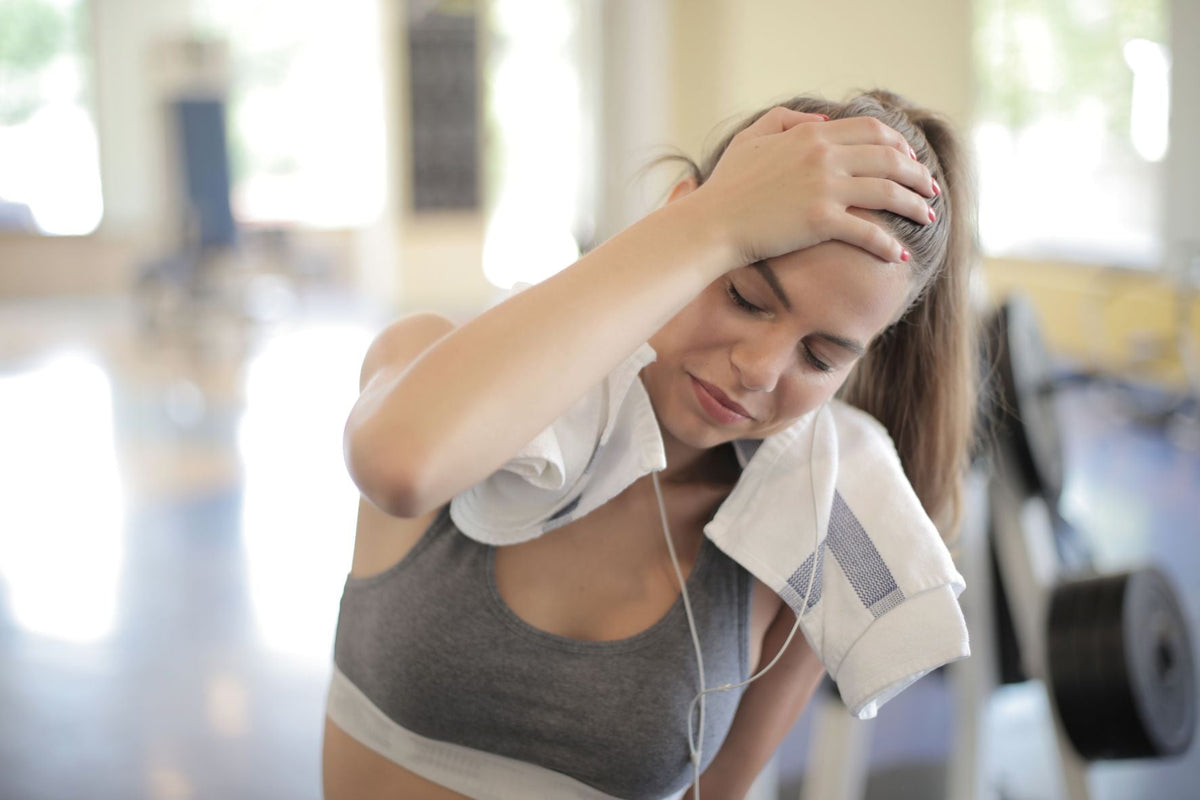
"Stay dry, stay comfortable: the science behind moisture-wicking fabrics"
Introduction:
Moisture-wicking technology is a common feature in athletic apparel, but many people may not realize that it is not just one specific technology. In fact, there are various ways that athletic fabrics can effectively move sweat away from the body to keep athletes dry and comfortable during physical activity. Understanding the different methods and technologies behind moisture-wicking can help consumers make more informed choices when selecting athletic clothing.
The Science Behind Moisture-Wicking Fabrics
Have you ever wondered how your workout clothes manage to keep you dry and comfortable even when you're sweating buckets? It's all thanks to the magic of moisture-wicking fabrics! But did you know that moisture-wicking isn't just one technology, but a combination of different processes that work together to keep you feeling fresh and dry during your workouts?
Moisture-wicking fabrics are designed to pull sweat away from your skin and onto the outer surface of the fabric, where it can evaporate more easily. This helps to regulate your body temperature and prevent that uncomfortable feeling of being drenched in sweat. But how exactly do these fabrics work their magic?
One of the key components of moisture-wicking fabrics is the use of synthetic fibers like polyester or nylon. These fibers are hydrophobic, meaning they repel water and are able to quickly transport moisture away from your skin. This is in contrast to natural fibers like cotton, which tend to absorb moisture and can leave you feeling damp and uncomfortable during your workout.
In addition to the use of hydrophobic fibers, moisture-wicking fabrics also often feature special finishes or treatments that help to enhance their moisture-wicking properties. These finishes can include things like chemical coatings or treatments that help to further repel water and speed up the evaporation process. Some fabrics even have built-in antimicrobial properties to help prevent odor-causing bacteria from forming.
Another important factor in the effectiveness of moisture-wicking fabrics is the construction of the fabric itself. Fabrics that are designed with a special weave or knit can help to create channels or pathways for moisture to move through, allowing it to be quickly transported away from your skin. This helps to increase the surface area of the fabric that is in contact with the air, which in turn helps to speed up the evaporation process.
So, the next time you slip on your favorite moisture-wicking workout gear, take a moment to appreciate the science and technology that goes into keeping you dry and comfortable during your sweat sessions. From hydrophobic fibers to special finishes and construction techniques, there's a lot that goes into creating the perfect moisture-wicking fabric.
And remember, not all moisture-wicking fabrics are created equal. It's important to look for high-quality materials and construction techniques to ensure that you're getting the best performance out of your workout gear. So whether you're hitting the gym, going for a run, or just lounging around the house, make sure you're dressed in fabrics that will keep you feeling cool, dry, and comfortable no matter how much you sweat.
Different Types of Moisture-Wicking Technologies
When it comes to choosing the right athletic wear, moisture-wicking technology is a key factor to consider. But did you know that there isn't just one type of moisture-wicking technology? In fact, there are several different types, each with its own unique properties and benefits. Understanding how these technologies work can help you make an informed decision when selecting your next workout gear.
One of the most common types of moisture-wicking technology is known as hydrophilic. This technology works by absorbing sweat from your skin and then spreading it out across the fabric's surface, where it can evaporate more quickly. This helps to keep you dry and comfortable during your workout. Hydrophilic fabrics are often used in activewear such as running shirts and leggings.
Another type of moisture-wicking technology is hydrophobic. Unlike hydrophilic fabrics, which absorb sweat, hydrophobic fabrics repel moisture, allowing it to evaporate more quickly. This can help to keep you cool and dry during intense workouts. Hydrophobic fabrics are often used in activewear designed for high-intensity activities such as CrossFit or HIIT.
In addition to hydrophilic and hydrophobic technologies, there are also blended fabrics that combine the properties of both. These fabrics are designed to provide the benefits of both absorption and evaporation, helping to keep you dry and comfortable no matter how intense your workout may be. Blended fabrics are often used in activewear that needs to perform well in a variety of conditions.
It's important to note that not all moisture-wicking technologies are created equal. Some fabrics may claim to be moisture-wicking but may not actually be very effective at keeping you dry. When shopping for athletic wear, be sure to look for reputable brands that use high-quality moisture-wicking technologies in their products.
In addition to the type of moisture-wicking technology used, the construction of the fabric can also play a role in how well it performs. Fabrics with a tight weave or knit are often more effective at wicking away moisture than those with a looser construction. This is because a tighter weave or knit creates a larger surface area for the moisture to evaporate, helping to keep you dry and comfortable.
When choosing moisture-wicking athletic wear, it's also important to consider the fit and style of the garment. A well-fitting garment that is designed for your specific activity can help to enhance the performance of the moisture-wicking technology. Look for activewear that is designed to move with your body and provide the right level of support for your workout.
In conclusion, understanding the different types of moisture-wicking technologies can help you make an informed decision when selecting your next piece of athletic wear. Whether you prefer hydrophilic, hydrophobic, or blended fabrics, choosing high-quality, well-constructed garments can help you stay dry and comfortable during even the most intense workouts. So next time you're shopping for activewear, be sure to look for brands that prioritize moisture-wicking technology in their products. Your body will thank you during your next sweat session!
Benefits of Moisture-Wicking Athletic Apparel

When it comes to choosing the right athletic apparel, moisture-wicking technology is often touted as a must-have feature. But what exactly does moisture-wicking mean, and how does it work? Contrary to popular belief, moisture-wicking isn't just one specific technology, but rather a combination of different fabric properties that work together to keep you dry and comfortable during your workout.
At its core, moisture-wicking refers to the ability of a fabric to pull moisture away from the skin and move it to the outer surface of the fabric where it can evaporate. This process helps to regulate your body temperature and prevent the buildup of sweat, keeping you cool and dry even during intense physical activity. But how exactly do athletic fabrics achieve this feat?
One of the key components of moisture-wicking fabrics is their construction. These fabrics are typically made from synthetic materials like polyester or nylon, which have hydrophobic properties that repel water. This means that instead of absorbing sweat like cotton does, moisture-wicking fabrics actively push moisture away from the skin and towards the outer surface of the fabric.
In addition to their hydrophobic properties, moisture-wicking fabrics are also designed with special weaves or knits that help to increase their surface area. This increased surface area allows the fabric to spread out moisture more evenly, speeding up the evaporation process and keeping you dry and comfortable.
Another important factor in the moisture-wicking process is the use of special finishes or treatments on the fabric. These finishes can include things like chemical coatings or treatments that help to further enhance the fabric's ability to repel moisture and speed up drying time. Some fabrics even incorporate antimicrobial treatments to help prevent the growth of odor-causing bacteria.
But moisture-wicking technology isn't just limited to the fabric itself. The design of the garment also plays a crucial role in how effectively it can wick away moisture. Features like mesh panels, strategic ventilation, and strategic seam placement can all help to improve airflow and enhance the fabric's ability to move sweat away from the skin.
So, the next time you're shopping for athletic apparel, don't just look for the label that says "moisture-wicking." Take a closer look at the fabric composition, construction, and design of the garment to get a better understanding of how it will perform during your workout. By choosing high-quality, well-designed moisture-wicking apparel, you can stay dry, comfortable, and focused on achieving your fitness goals.
How to Choose the Right Moisture-Wicking Fabric for Your Sport
When it comes to choosing the right athletic wear for your sport, one of the most important factors to consider is moisture-wicking technology. But what exactly does that mean, and how does it work? Many people assume that all moisture-wicking fabrics are the same, but the truth is that there are actually several different technologies that can be used to help move sweat away from your body and keep you dry during your workout.
One of the most common moisture-wicking technologies is called hydrophobic fibers. These fibers are designed to repel water, which helps to prevent sweat from soaking into the fabric and causing it to become heavy and uncomfortable. Instead, the sweat is pushed to the surface of the fabric where it can evaporate more quickly, keeping you cool and dry. This type of technology is often used in synthetic fabrics like polyester and nylon, which are popular choices for athletic wear because of their durability and moisture-wicking properties.
Another popular moisture-wicking technology is called capillary action. This process involves tiny channels or capillaries within the fabric that help to draw moisture away from the skin and towards the outer surface of the fabric. This allows the sweat to evaporate more quickly, keeping you dry and comfortable during your workout. Fabrics that use capillary action are often made from natural fibers like cotton or bamboo, which are known for their softness and breathability.
In addition to hydrophobic fibers and capillary action, there are also fabrics that use a combination of both technologies to provide even better moisture-wicking performance. These fabrics are often referred to as dual-action or hybrid fabrics, and they are designed to offer the benefits of both hydrophobic fibers and capillary action in one garment. This can help to provide superior moisture-wicking performance, keeping you dry and comfortable no matter how intense your workout may be.
When choosing the right moisture-wicking fabric for your sport, it's important to consider the type of activity you will be doing and the climate in which you will be exercising. For high-intensity activities like running or cycling, you may want to choose a fabric that offers maximum moisture-wicking performance to help keep you dry and comfortable. For lower-intensity activities like yoga or Pilates, a fabric with a softer feel and more breathability may be more suitable.
It's also important to consider the fit and style of the garment when choosing a moisture-wicking fabric. Look for fabrics that have a good stretch and recovery, as well as flat seams and tagless designs to prevent chafing and irritation. And don't forget to consider the color and design of the fabric – after all, you want to look good while you're working out!
In conclusion, moisture-wicking technology is an important factor to consider when choosing athletic wear for your sport. By understanding the different types of moisture-wicking fabrics available and how they work, you can make an informed decision that will help you stay dry and comfortable during your workout. So next time you're shopping for athletic wear, be sure to look for fabrics that offer superior moisture-wicking performance to help you perform at your best.
Tips for Caring for Moisture-Wicking Sportswear
If you're an active person who loves to work out or play sports, you've probably heard of moisture-wicking fabrics. These high-tech materials are designed to keep you dry and comfortable during your workouts by moving sweat away from your body. But did you know that moisture-wicking isn't just one technology, but a combination of different techniques that work together to keep you dry?
Moisture-wicking fabrics are made from synthetic fibers like polyester or nylon that are specially designed to pull moisture away from your skin and onto the surface of the fabric, where it can evaporate more easily. This process is known as capillary action, and it's what allows moisture-wicking fabrics to keep you dry even when you're sweating buckets.
But moisture-wicking fabrics don't stop there. Many of them also have special finishes or treatments that help them wick moisture even more effectively. Some fabrics are treated with a hydrophilic finish, which attracts moisture and helps it spread out across the fabric so it can evaporate more quickly. Others are treated with antimicrobial agents that help prevent odor-causing bacteria from growing in the fabric.
In addition to the fabric itself, the construction of the garment can also play a role in how well it wicks moisture. Garments with mesh panels or strategic ventilation zones can help increase airflow and speed up the evaporation process, keeping you even drier during your workouts.
So, now that you know a little bit more about how moisture-wicking fabrics work, how can you make sure you're taking care of them properly? Here are a few tips to help you keep your moisture-wicking sportswear in top condition:
First, always check the care instructions on the label of your garment. While most moisture-wicking fabrics can be machine washed, some may require special care like washing in cold water or avoiding fabric softeners.
When washing your moisture-wicking sportswear, avoid using fabric softeners or dryer sheets. These products can leave a residue on the fabric that can interfere with its moisture-wicking properties. Instead, use a mild detergent and wash your garments on a gentle cycle.
After washing, hang your moisture-wicking sportswear to dry instead of putting it in the dryer. The heat from the dryer can damage the fabric and reduce its moisture-wicking abilities over time.
If your moisture-wicking sportswear starts to smell, don't reach for the fabric softener. Instead, try soaking it in a mixture of water and white vinegar for 30 minutes before washing. The vinegar will help kill odor-causing bacteria without damaging the fabric.
By following these simple tips, you can help ensure that your moisture-wicking sportswear stays in top condition and continues to keep you dry and comfortable during your workouts. So go ahead, break a sweat knowing that your high-tech fabrics have got you covered.
Conclusion
Moisture-wicking is not a single technology, but rather a combination of different technologies that work together to move sweat away from the body. Understanding how athletic fabrics actually move sweat is important for athletes and consumers looking for high-performance clothing.