
Nachricht
Cadence vs Power: Which Metric Should Recreational Cyclists Actually Track?
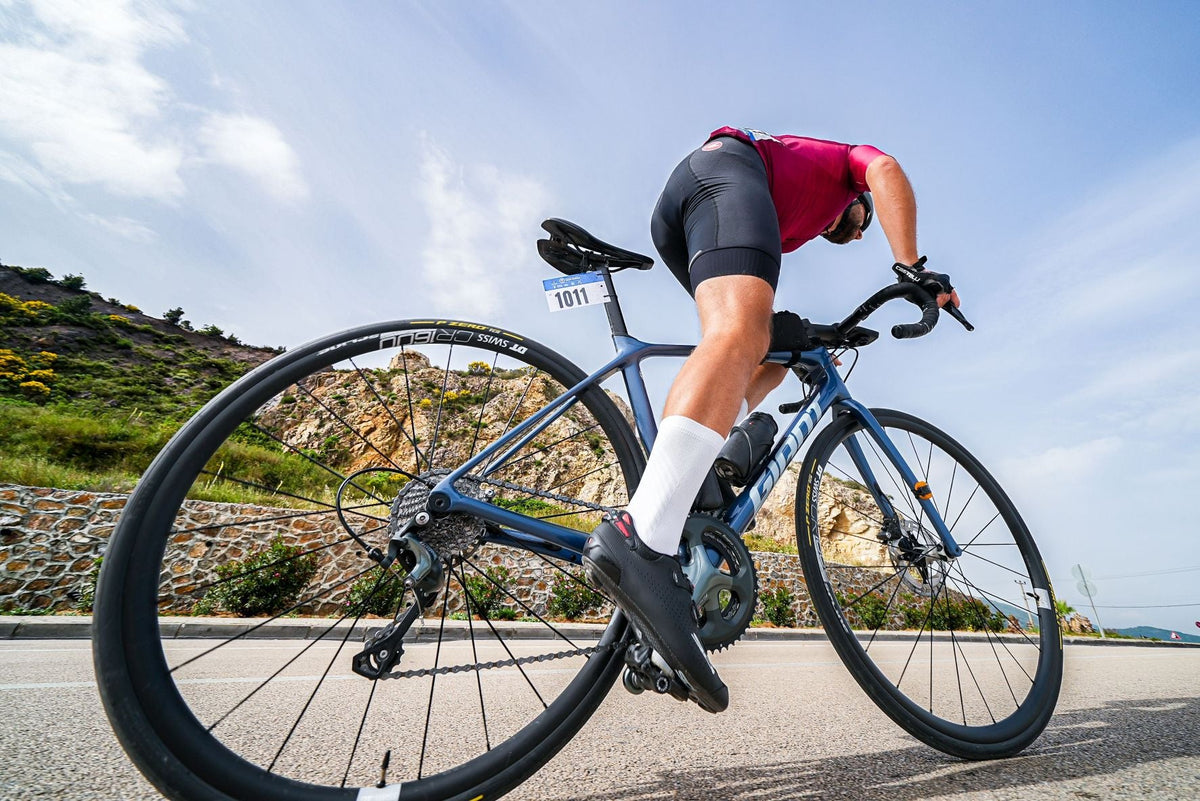
Cadence vs Power: Finding the perfect balance for your cycling performance.
When it comes to tracking performance metrics while cycling, recreational cyclists often debate whether cadence or power is more important. Both metrics can provide valuable insights into your riding efficiency and overall fitness level. In this article, we will explore the differences between cadence and power, and discuss which metric recreational cyclists should prioritize in their training.
The Importance of Cadence in Cycling Performance
When it comes to tracking your cycling performance, there are a few key metrics that most cyclists focus on: cadence and power. While both are important indicators of how you're performing on the bike, they measure different aspects of your cycling abilities. In this article, we'll take a closer look at the importance of cadence in cycling performance and why it's a metric that recreational cyclists should pay attention to.
Cadence refers to the number of revolutions per minute (RPM) that your pedals make while you're cycling. It's essentially how fast you're spinning your legs as you ride. Many cyclists believe that maintaining a high cadence is essential for optimal performance, as it can help improve efficiency, reduce fatigue, and prevent injury.
One of the main benefits of tracking your cadence is that it can help you maintain a consistent pace throughout your ride. By keeping an eye on your cadence, you can ensure that you're not pushing too hard or too easy, which can help you conserve energy and improve your overall performance. Additionally, maintaining a high cadence can help reduce the strain on your muscles and joints, making it easier to ride longer distances without experiencing fatigue or discomfort.
Another reason why cadence is an important metric to track is that it can help you improve your cycling technique. By focusing on maintaining a high cadence, you can develop a smoother pedal stroke, which can help you generate more power and speed on the bike. Additionally, by varying your cadence during different parts of your ride, you can work on different muscle groups and improve your overall strength and endurance.
In addition to improving your performance on the bike, tracking your cadence can also help prevent injury. By maintaining a high cadence, you can reduce the strain on your muscles and joints, which can help prevent overuse injuries and keep you riding pain-free. Additionally, by paying attention to your cadence, you can identify any imbalances or weaknesses in your pedal stroke and work on correcting them before they lead to more serious issues.
Overall, cadence is an important metric for recreational cyclists to track because it can help improve performance, technique, and prevent injury. By focusing on maintaining a high cadence, you can ride more efficiently, comfortably, and safely, allowing you to enjoy your time on the bike to the fullest.
In conclusion, while power is an important metric for tracking cycling performance, cadence is equally important for recreational cyclists. By paying attention to your cadence and working on maintaining a high RPM, you can improve your performance, technique, and prevent injury, allowing you to ride longer, faster, and more comfortably. So next time you hit the road or the trails, don't forget to keep an eye on your cadence – your body will thank you for it!
Understanding Power Training for Recreational Cyclists
When it comes to tracking your performance as a recreational cyclist, there are two main metrics that often come up in conversation: cadence and power. Both are important indicators of how efficiently you are riding, but which one should you actually be focusing on? In this article, we'll take a closer look at both cadence and power, and discuss the pros and cons of each to help you determine which metric is best for you.
Let's start with cadence. Cadence refers to the number of revolutions per minute (RPM) that your pedals make while you are riding. It is often measured using a cadence sensor attached to your bike's crank arm or pedal. Maintaining a consistent cadence is important for a few reasons. First, it can help you pedal more efficiently, reducing the strain on your muscles and joints. Second, it can help you maintain a steady pace, which is crucial for longer rides or races. Finally, tracking your cadence can help you improve your pedal stroke and overall cycling technique.
On the other hand, power is a measure of the amount of work you are doing while riding. It is typically measured in watts and can be tracked using a power meter attached to your bike's crank arm or hub. Power is a more direct measure of your effort than cadence, as it takes into account factors like wind resistance, terrain, and your own strength. By tracking your power output, you can get a better sense of how hard you are working and make adjustments to your training accordingly.
So, which metric should you focus on as a recreational cyclist? The answer ultimately depends on your goals and preferences. If you are looking to improve your overall cycling technique and efficiency, cadence may be the better metric for you. By tracking your cadence and working to maintain a consistent RPM, you can become a more efficient rider and reduce the risk of injury. Additionally, focusing on cadence can help you develop a smoother pedal stroke and improve your overall cycling performance.
On the other hand, if you are more interested in pushing yourself and improving your overall fitness, power may be the better metric for you. By tracking your power output and setting specific goals for increasing it, you can challenge yourself and see tangible improvements in your performance. Power training can also help you identify areas where you may be lacking strength or endurance, allowing you to target those areas in your training.
Of course, there is no one-size-fits-all answer to the cadence vs power debate. Some cyclists may find that a combination of both metrics works best for them, while others may prefer to focus solely on one or the other. Ultimately, the most important thing is to listen to your body and choose the metric that aligns best with your goals and preferences.
In conclusion, both cadence and power are important metrics for recreational cyclists to track. Cadence can help improve your cycling technique and efficiency, while power can help you push yourself and improve your overall fitness. Whether you choose to focus on one metric or both, the key is to stay consistent in your tracking and training. By doing so, you can become a stronger, more efficient cyclist and enjoy the many benefits that cycling has to offer.
Comparing the Benefits of Tracking Cadence vs Power
When it comes to tracking your performance as a recreational cyclist, there are a few key metrics that can help you gauge your progress and improve your overall riding experience. Two of the most popular metrics that cyclists often track are cadence and power. But which one should you focus on? In this article, we'll compare the benefits of tracking cadence versus power to help you determine which metric is best for you.
Let's start by defining what cadence and power actually are. Cadence refers to the number of revolutions per minute (RPM) that your pedals make while you're riding. It's essentially how fast you're spinning your legs. Power, on the other hand, is a measure of how much force you're putting into each pedal stroke. It's a more direct measure of your physical output while riding.
One of the main benefits of tracking cadence is that it can help you maintain a consistent and efficient pedaling technique. By keeping an eye on your cadence, you can ensure that you're not spinning too fast or too slow, which can help prevent fatigue and improve your overall performance. Additionally, tracking cadence can help you find your optimal cadence range, which is the RPM at which you feel most comfortable and powerful while riding.
On the other hand, tracking power can provide you with more detailed and accurate data about your physical output while riding. Power meters measure the actual force that you're putting into each pedal stroke, giving you a more precise measure of your performance. This can be especially useful for cyclists who are looking to improve their strength and endurance, as it allows them to track their progress over time and make adjustments to their training accordingly.
So, which metric should you focus on as a recreational cyclist? The answer ultimately depends on your goals and preferences. If you're looking to improve your overall efficiency and technique, tracking cadence may be the way to go. By focusing on maintaining a consistent cadence and finding your optimal range, you can improve your riding experience and prevent fatigue.
On the other hand, if you're more interested in tracking your physical output and making specific improvements to your strength and endurance, tracking power may be the better option for you. Power meters can provide you with more detailed data about your performance, allowing you to make targeted adjustments to your training and see tangible results over time.
Ultimately, both cadence and power can be valuable metrics for recreational cyclists to track. Whether you choose to focus on cadence, power, or both, the most important thing is to use these metrics as tools to help you improve your riding experience and reach your goals. By paying attention to your cadence or power and making adjustments to your training as needed, you can become a stronger, more efficient cyclist and enjoy your time on the bike even more.
How Cadence and Power Metrics Impact Bike Fitness
When it comes to tracking your progress as a recreational cyclist, there are a few key metrics that can help you gauge your fitness level and improve your performance. Two of the most common metrics that cyclists often focus on are cadence and power. But which one should you actually be paying more attention to? Let's take a closer look at how cadence and power metrics impact bike fitness.
Cadence, or the number of revolutions per minute (RPM) that your pedals make, is often seen as a key indicator of cycling efficiency. A higher cadence typically means that you are spinning your pedals faster, which can help reduce strain on your muscles and joints. Many cyclists aim for a cadence of around 80-100 RPM, as this is often considered to be the most efficient range for most riders.
On the other hand, power is a measure of the amount of force that you are putting into your pedals. Power meters are becoming increasingly popular among cyclists, as they provide a more accurate and objective measure of your effort compared to other metrics like heart rate. Tracking your power output can help you monitor your progress over time and make more informed training decisions.
So, which metric should you focus on as a recreational cyclist? The answer ultimately depends on your goals and preferences. If you are looking to improve your overall cycling efficiency and reduce the risk of injury, then paying attention to your cadence may be more beneficial. By maintaining a consistent and efficient cadence, you can improve your pedaling technique and reduce the strain on your muscles.
On the other hand, if you are more interested in increasing your overall power output and performance, then tracking your power metrics may be more useful. Power meters can help you identify your strengths and weaknesses as a cyclist, allowing you to tailor your training to improve your performance in specific areas.
Of course, there is no one-size-fits-all answer when it comes to choosing between cadence and power metrics. Many cyclists find that a combination of both metrics can provide a more comprehensive view of their fitness and performance. By tracking both cadence and power, you can gain a better understanding of how your body responds to different training stimuli and make more informed decisions about your training.
Ultimately, the most important thing is to listen to your body and pay attention to how you feel on the bike. While metrics can be helpful tools for tracking your progress, they should not be the sole focus of your training. Remember to enjoy the ride and have fun on your bike, regardless of which metrics you choose to track. Cycling is ultimately about the joy of being out on the road or trail, so don't get too caught up in the numbers. Happy riding!
Maximizing Cycling Performance with Cadence and Power Data
When it comes to tracking your cycling performance, there are two key metrics that often come into play: cadence and power. Both of these metrics can provide valuable insights into your riding style and help you improve your overall performance on the bike. But which one should recreational cyclists actually focus on? Let's take a closer look at the differences between cadence and power, and how each can impact your cycling performance.
Cadence refers to the number of revolutions per minute (RPM) that your pedals make while you're riding. It's essentially how fast you're spinning your legs as you pedal. Cadence is often measured using a cycling computer or a smart trainer, and it can give you a good indication of how efficiently you're pedaling. A higher cadence typically means that you're spinning your legs faster, while a lower cadence means that you're pedaling at a slower rate.
Power, on the other hand, refers to the amount of force that you're putting into each pedal stroke. Power is measured in watts and can give you a more accurate representation of how hard you're working while you're riding. Power meters are often used to track this metric, and they can provide valuable data on your overall performance and fitness level.
So, which metric should you focus on as a recreational cyclist? The answer really depends on your goals and what you're looking to achieve with your cycling. If you're looking to improve your overall efficiency and technique, then cadence might be the metric for you. By focusing on maintaining a consistent cadence and working on spinning your legs faster, you can improve your pedaling efficiency and reduce the risk of injury.
On the other hand, if you're looking to increase your overall power output and improve your strength on the bike, then tracking your power might be more beneficial. By monitoring your power output during rides and workouts, you can set specific training goals and work on increasing your overall strength and endurance.
Of course, both cadence and power can be valuable metrics to track, and many cyclists choose to monitor both during their rides. By combining the two metrics, you can get a more comprehensive view of your performance and make more informed decisions about your training and riding style.
Ultimately, the best approach is to experiment with both cadence and power and see which metric works best for you. Try tracking your cadence for a few rides, then switch to tracking your power for a few rides and see how each metric impacts your performance. You may find that one metric resonates more with your riding style and goals, or you may find that a combination of both is the key to maximizing your cycling performance.
In the end, the most important thing is to listen to your body and pay attention to how you feel while you're riding. Whether you choose to focus on cadence, power, or both, the goal is to improve your overall performance and enjoy your time on the bike. So, get out there, track your metrics, and have fun riding!
Practical Tips for Recreational Cyclists to Improve Cadence and Power
When it comes to tracking your performance as a recreational cyclist, there are two key metrics that often come into play: cadence and power. Both of these metrics can provide valuable insights into your cycling efficiency and overall performance, but which one should you actually be focusing on? In this article, we'll take a closer look at cadence and power, and discuss how recreational cyclists can use these metrics to improve their riding experience.
Let's start by defining what cadence and power actually are. Cadence refers to the number of revolutions per minute (RPM) that your pedals make while you're cycling. It's essentially a measure of how fast you're spinning your legs as you ride. Power, on the other hand, is a measure of the amount of force you're applying to the pedals to move the bike forward. It's typically measured in watts and can give you an indication of how hard you're working during your ride.
So, which metric should you be tracking as a recreational cyclist? The answer really depends on your goals and what you're looking to achieve with your cycling. If you're focused on improving your endurance and overall efficiency, then cadence might be the metric for you. By maintaining a consistent cadence throughout your ride, you can reduce the strain on your muscles and improve your overall cycling performance.
On the other hand, if you're looking to increase your overall power output and build strength, then tracking your power might be more beneficial. By pushing yourself to generate more watts during your rides, you can improve your overall fitness and performance on the bike. Power can also be a useful metric for tracking progress over time and setting goals for yourself.
Of course, it's important to remember that both cadence and power are interconnected and can work together to improve your cycling performance. By focusing on both metrics simultaneously, you can find a balance that works best for you and helps you achieve your cycling goals.
So, how can recreational cyclists actually track and improve their cadence and power? One of the best ways to do this is by using a cycling computer or a smart trainer that can provide real-time feedback on your performance. These devices can give you instant feedback on your cadence, power output, and other key metrics, allowing you to make adjustments on the fly and improve your performance as you ride.
In addition to using technology to track your metrics, there are also some practical tips that recreational cyclists can use to improve their cadence and power. One of the most effective ways to improve your cadence is by incorporating interval training into your rides. By alternating between high and low cadence intervals, you can improve your leg speed and overall efficiency on the bike.
To improve your power output, focus on strength training off the bike. Incorporating exercises like squats, lunges, and deadlifts into your workout routine can help you build the leg strength needed to generate more power while cycling. Additionally, practicing hill repeats and sprints can help you improve your power output and overall cycling performance.
In conclusion, both cadence and power are important metrics for recreational cyclists to track and improve. By finding a balance between the two and incorporating practical tips into your training routine, you can enhance your cycling performance and achieve your goals on the bike. So, whether you're looking to improve your endurance, increase your power output, or simply enjoy your rides more, tracking your cadence and power can help you become a stronger and more efficient cyclist.
Integrating Cadence and Power Metrics into Your Cycling Routine
When it comes to tracking your performance as a recreational cyclist, there are a plethora of metrics to choose from. Two of the most popular metrics are cadence and power. Cadence refers to the number of revolutions per minute (RPM) that your pedals make, while power measures the amount of force you are putting into each pedal stroke. Both metrics can provide valuable insights into your cycling performance, but which one should you prioritize?
Cadence is often seen as a more beginner-friendly metric, as it is easy to understand and track. Many cyclists aim for a cadence of around 80-100 RPM, as this is considered to be an efficient and sustainable pace. By focusing on maintaining a consistent cadence, you can improve your pedal stroke efficiency and reduce the risk of injury. Cadence can also help you to gauge your effort level and make adjustments as needed during a ride.
On the other hand, power is a more advanced metric that requires specialized equipment, such as a power meter, to measure accurately. Power is a direct reflection of the work you are putting into your ride, making it a valuable tool for tracking progress and setting goals. By monitoring your power output, you can identify areas for improvement and tailor your training to become a stronger and more efficient cyclist.
So, which metric should you prioritize as a recreational cyclist? The answer ultimately depends on your goals and preferences. If you are just starting out and looking to build a solid foundation of fitness, focusing on cadence may be the way to go. By developing a smooth and consistent pedal stroke, you can improve your overall cycling efficiency and endurance.
However, if you are more experienced and looking to take your cycling to the next level, incorporating power into your training routine can provide valuable insights into your performance. Power data can help you to identify strengths and weaknesses, set specific training targets, and track progress over time. By using power as a guide, you can make more informed decisions about your training and ultimately become a stronger and more competitive cyclist.
That being said, there is no need to choose between cadence and power – in fact, integrating both metrics into your cycling routine can provide a well-rounded view of your performance. By paying attention to both cadence and power, you can work on improving your pedal stroke efficiency while also pushing yourself to new levels of strength and endurance.
In conclusion, both cadence and power are valuable metrics for recreational cyclists to track. Whether you are a beginner looking to build fitness or an experienced rider aiming to improve performance, incorporating both metrics into your training routine can help you to achieve your cycling goals. So why not give both cadence and power a try and see how they can enhance your riding experience? Happy cycling!
Conclusion
In conclusion, recreational cyclists should track both cadence and power metrics to get a comprehensive understanding of their performance and progress. Cadence can help improve efficiency and reduce strain on the body, while power provides a more accurate measure of effort and intensity during rides. By monitoring both metrics, cyclists can optimize their training and achieve their fitness goals more effectively.