Nachricht
Rolling Resistance Explained: Why Two Tires Can Change How Fast a Bike Feels
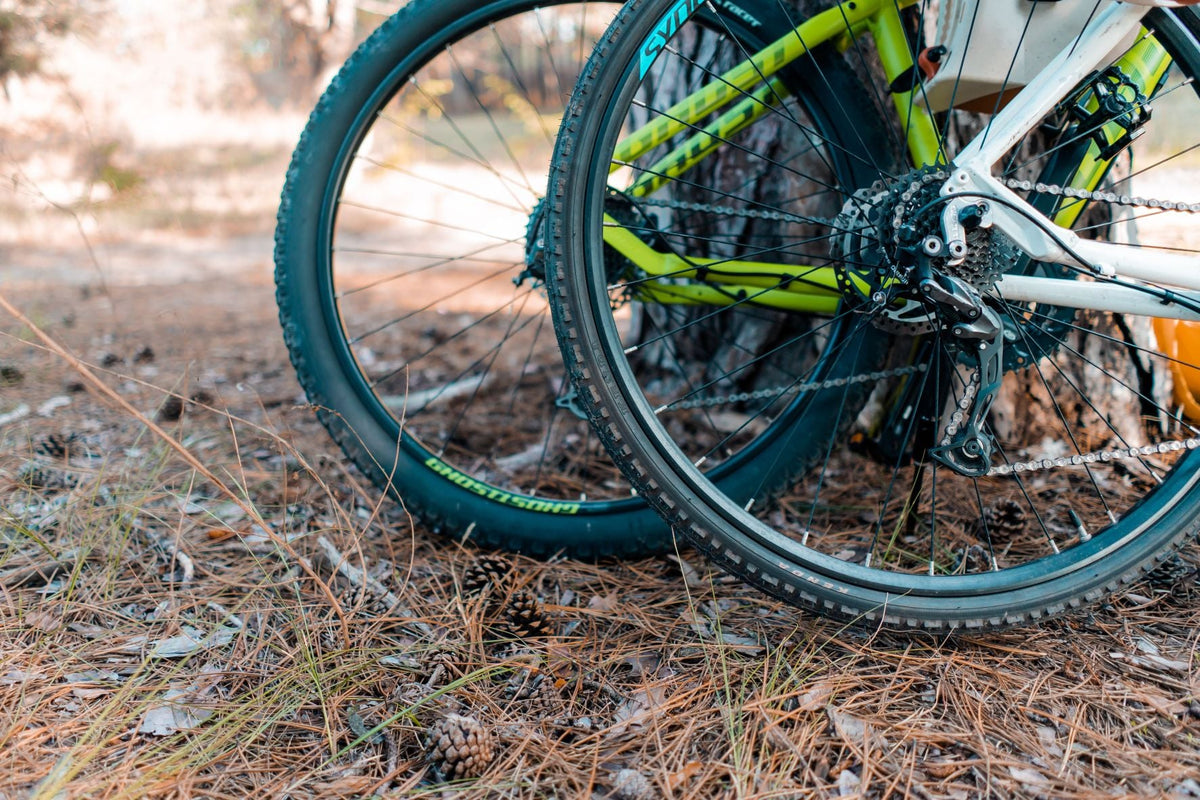
"Uncover the secret behind speed with Rolling Resistance Explained."
Rolling resistance is a key factor in determining how fast a bike feels when riding. The type of tires used can greatly affect the amount of rolling resistance experienced, which in turn can impact the overall speed and efficiency of the bike. In this article, we will explore the concept of rolling resistance and how two different tires can change how fast a bike feels.
The Science Behind Rolling Resistance in Cycling
Have you ever noticed how some bikes feel faster and easier to ride than others? One factor that can greatly affect how a bike feels is rolling resistance. Rolling resistance is the force that opposes the motion of a tire as it rolls along the ground. In cycling, reducing rolling resistance can make a significant difference in how fast and efficient a bike feels.
When it comes to rolling resistance, not all tires are created equal. The type of tire you choose can have a big impact on how your bike performs. Generally speaking, narrower tires tend to have lower rolling resistance than wider tires. This is because narrower tires have less surface area in contact with the ground, which reduces the amount of friction between the tire and the road.
In addition to tire width, tire pressure also plays a role in rolling resistance. Overinflated tires can lead to increased rolling resistance, as the tire becomes less flexible and more prone to bouncing along the road. On the other hand, underinflated tires can also increase rolling resistance, as the tire deforms more easily and creates more friction with the road surface. Finding the right tire pressure for your bike can help minimize rolling resistance and improve overall performance.
Another factor that can affect rolling resistance is the tread pattern on the tire. Smooth tires generally have lower rolling resistance than tires with a more aggressive tread pattern. This is because a smooth tire has less surface area in contact with the ground, reducing friction and making it easier for the tire to roll smoothly. Tires with a more aggressive tread pattern, on the other hand, can create more friction with the road surface, increasing rolling resistance and making it harder to pedal.
In addition to tire width, pressure, and tread pattern, the material that the tire is made of can also impact rolling resistance. Generally speaking, tires made of softer compounds tend to have lower rolling resistance than tires made of harder compounds. This is because softer tires deform more easily, reducing the amount of energy lost to friction as the tire rolls along the ground. However, softer tires may wear out more quickly than harder tires, so it's important to find a balance between rolling resistance and durability when choosing a tire for your bike.
Overall, reducing rolling resistance can make a big difference in how fast and efficient your bike feels. By choosing the right tire width, pressure, tread pattern, and material, you can minimize rolling resistance and improve your overall cycling performance. So next time you're in the market for new tires, consider how each of these factors can impact rolling resistance and choose the tires that will help you ride faster and more efficiently.
How Tire Selection Affects Rolling Resistance
Have you ever noticed how some bikes seem to effortlessly glide along the road, while others feel like you're pedaling through molasses? One of the key factors that can affect how fast a bike feels is rolling resistance, and a big contributor to rolling resistance is the tires you choose.
Rolling resistance is the force that opposes the motion of a tire as it rolls along the ground. It's caused by the deformation of the tire as it makes contact with the road surface, and it can have a significant impact on how efficiently you can pedal your bike.
When it comes to tire selection, there are a few key factors that can affect rolling resistance. The first is tire pressure. Running your tires at the correct pressure can help reduce rolling resistance and make your bike feel faster. Underinflated tires can deform more as they roll, increasing the amount of energy required to keep them moving. On the other hand, overinflated tires can bounce along the road, also increasing rolling resistance.
Another factor that can affect rolling resistance is tire width. Generally speaking, narrower tires tend to have lower rolling resistance than wider tires. This is because narrower tires have less surface area in contact with the road, reducing the amount of deformation that occurs as they roll. However, wider tires can offer a more comfortable ride and better traction, so it's important to find a balance that works for your riding style.
Tread pattern is another consideration when it comes to rolling resistance. Slick tires, which have a smooth tread pattern, generally have lower rolling resistance than tires with a more aggressive tread. This is because the knobs and grooves on a treaded tire can create more friction as they roll along the road. However, treaded tires can offer better grip in wet or loose conditions, so it's important to consider the type of riding you'll be doing when choosing a tire.
The material that a tire is made from can also affect rolling resistance. Generally speaking, tires with a higher thread count and a supple casing tend to have lower rolling resistance than tires with a stiffer casing. This is because a supple tire can deform more easily as it rolls, reducing the amount of energy lost to rolling resistance. However, stiffer tires can offer better puncture protection and durability, so it's important to consider your priorities when choosing a tire.
Ultimately, the best tire for you will depend on a variety of factors, including your riding style, the conditions you'll be riding in, and your personal preferences. Experimenting with different tire pressures, widths, tread patterns, and materials can help you find the perfect balance between rolling resistance, comfort, and performance.
So next time you're in the market for new tires, take some time to consider how different options might affect rolling resistance and how they could change how fast your bike feels. With the right tires, you might just find yourself gliding along the road with ease.
Comparing Different Types of Bike Tires for Performance
Have you ever noticed how some bikes seem to glide effortlessly down the road, while others feel like you're pedaling through molasses? One of the key factors that can affect how fast a bike feels is rolling resistance. Rolling resistance is the force that opposes the motion of a tire as it rolls along the ground. In simple terms, it's the amount of energy that is lost as the tire deforms and flexes under the weight of the bike and rider.
When it comes to bike tires, not all are created equal. Different types of tires have different levels of rolling resistance, which can have a big impact on how fast and efficient your ride feels. In general, thinner tires with a smooth tread pattern will have lower rolling resistance than wider tires with a knobby tread. This is because thinner tires have less surface area in contact with the ground, which reduces the amount of friction between the tire and the road.
To illustrate this point, let's compare two common types of bike tires: slick road tires and knobby mountain bike tires. Slick road tires are designed for smooth, paved surfaces and have a very low rolling resistance. This means that they require less effort to pedal and can help you maintain a higher speed with less energy. On the other hand, knobby mountain bike tires are designed for off-road trails and have a higher rolling resistance. While they provide better traction on loose or uneven surfaces, they can feel slower and more sluggish on smooth pavement.
Another factor that can affect rolling resistance is tire pressure. Underinflated tires will have higher rolling resistance because they deform more as they roll, creating more friction with the ground. On the other hand, overinflated tires can also increase rolling resistance because they have less contact area with the ground, leading to a bouncier ride and less traction.
When choosing bike tires for performance, it's important to consider the type of riding you'll be doing. If you primarily ride on smooth roads and want to maximize speed and efficiency, slick road tires are a great choice. However, if you enjoy off-road adventures or need extra traction in wet or muddy conditions, knobby mountain bike tires may be a better option.
In addition to tire type and pressure, tire width can also impact rolling resistance. Wider tires have more surface area in contact with the ground, which can increase friction and rolling resistance. However, wider tires also provide a more comfortable ride and better stability, especially on rough terrain. It's important to find a balance between tire width and rolling resistance that suits your riding style and preferences.
Ultimately, the best way to determine the right tires for your bike is to experiment and see what works best for you. Try different tire types, pressures, and widths to find the perfect combination that maximizes performance and comfort. Remember that rolling resistance is just one factor that can affect how fast a bike feels, so consider other factors like aerodynamics, weight, and bike fit as well. By finding the right balance of these factors, you can create a ride that feels fast, efficient, and enjoyable.
Tips for Reducing Rolling Resistance on Your Bicycle

Rolling resistance is a term that every cyclist should be familiar with. It refers to the force that opposes the motion of a tire as it rolls along the ground. This force is caused by the deformation of the tire as it makes contact with the road surface. The higher the rolling resistance, the more energy is required to keep the bike moving.
One of the key factors that affect rolling resistance is the type of tire you use on your bike. Different tires have different levels of rolling resistance, which can significantly impact how fast and efficient your ride feels. For example, a tire with a high rolling resistance will feel sluggish and slow, while a tire with low rolling resistance will feel fast and responsive.
So, how can you reduce rolling resistance on your bicycle? One of the most effective ways is to choose the right tires for your riding style and conditions. Look for tires that are specifically designed for low rolling resistance, such as slick or semi-slick tires. These tires have a smooth tread pattern that minimizes friction with the road surface, allowing you to roll more efficiently.
Another tip for reducing rolling resistance is to keep your tires properly inflated. Under-inflated tires can increase rolling resistance, making your ride feel slower and more difficult. Check your tire pressure regularly and inflate them to the recommended PSI for optimal performance.
In addition to choosing the right tires and keeping them properly inflated, there are a few other things you can do to reduce rolling resistance on your bike. One of the most important factors is your riding position. By maintaining a streamlined and aerodynamic position on the bike, you can reduce wind resistance and make it easier to roll smoothly along the road.
Another tip is to keep your bike well-maintained. Make sure your chain is clean and properly lubricated, as a dirty or dry chain can increase friction and rolling resistance. Regularly check your brakes and wheel bearings to ensure they are functioning smoothly and not causing unnecessary drag.
Finally, consider the weight of your bike and gear. The heavier your bike, the more energy is required to overcome rolling resistance. Try to minimize the weight of your bike by choosing lightweight components and accessories, and only carrying the essentials on your rides.
By following these tips for reducing rolling resistance on your bicycle, you can make your rides feel faster, smoother, and more efficient. Remember that small changes can make a big difference, so take the time to optimize your bike setup and enjoy a more enjoyable cycling experience. Happy riding!
Understanding the Impact of Tire Pressure on Rolling Resistance
Have you ever noticed how some bikes seem to effortlessly glide along the road, while others feel like you're pedaling through molasses? One of the key factors that can affect how fast a bike feels is rolling resistance, and a major contributor to rolling resistance is tire pressure. In this article, we'll explore the impact of tire pressure on rolling resistance and how it can affect your overall biking experience.
Rolling resistance is the force that opposes the motion of a tire as it rolls along a surface. It is caused by the deformation of the tire as it makes contact with the ground, which creates friction and slows the bike down. The higher the rolling resistance, the more energy you need to exert to maintain a certain speed.
One of the main factors that can influence rolling resistance is tire pressure. When a tire is underinflated, it tends to deform more as it rolls, creating more friction and increasing rolling resistance. On the other hand, when a tire is overinflated, it becomes too rigid and can bounce along the road, also increasing rolling resistance. Finding the right balance of tire pressure is crucial for minimizing rolling resistance and maximizing efficiency.
So, how do you know what the right tire pressure is for your bike? The optimal tire pressure can vary depending on factors such as rider weight, road conditions, and tire size. A good starting point is to check the recommended tire pressure listed on the sidewall of your tire. This will give you a general guideline to follow, but it's important to experiment and adjust the pressure based on your own preferences and riding style.
One way to determine the optimal tire pressure is to do a simple test ride. Start by inflating your tires to the recommended pressure and take your bike for a spin. Pay attention to how the bike feels as you ride – does it feel sluggish and slow, or does it feel smooth and fast? If you feel like you're working harder than usual to maintain your speed, try increasing the tire pressure slightly. Conversely, if the ride feels too harsh and bumpy, try decreasing the pressure.
Another factor to consider when adjusting tire pressure is the type of terrain you'll be riding on. For example, if you'll be riding on rough or uneven surfaces, you may want to lower the tire pressure slightly to improve traction and comfort. On the other hand, if you'll be riding on smooth, flat roads, you may want to increase the pressure for better efficiency.
In conclusion, tire pressure plays a crucial role in determining rolling resistance and how fast a bike feels. By finding the right balance of tire pressure, you can minimize rolling resistance, improve efficiency, and enhance your overall biking experience. So, next time you hit the road, don't forget to check your tire pressure – it could make all the difference in how fast and smooth your ride feels.
Exploring the Relationship Between Rolling Resistance and Cycling Efficiency
Have you ever noticed how some bikes seem to glide effortlessly down the road, while others feel like you're pedaling through molasses? One of the key factors that can affect how fast and efficient a bike feels is rolling resistance. Rolling resistance is the force that opposes the motion of a tire as it rolls along a surface. In simple terms, it's the amount of energy that is lost as the tire deforms and flexes while in motion.
The amount of rolling resistance a tire produces can have a significant impact on how fast and efficient a bike feels. Tires with lower rolling resistance require less effort to maintain a given speed, making them feel faster and more efficient. On the other hand, tires with higher rolling resistance can make a bike feel sluggish and require more effort to pedal.
There are several factors that can affect rolling resistance, including tire construction, tread pattern, tire pressure, and even the type of surface you're riding on. For example, tires with a smooth tread pattern typically have lower rolling resistance than tires with a more aggressive tread pattern. This is because the smooth tread allows the tire to roll more easily over the surface, reducing the amount of energy lost to deformation.
Tire pressure also plays a significant role in rolling resistance. Underinflated tires can increase rolling resistance by causing the tire to deform more as it rolls, while overinflated tires can reduce rolling resistance but may also compromise grip and comfort. Finding the right balance of tire pressure is key to maximizing efficiency and performance.
The type of surface you're riding on can also affect rolling resistance. Smooth, well-maintained roads typically offer lower rolling resistance than rough or uneven surfaces. This is why you may notice a difference in how fast and efficient your bike feels when riding on different types of roads or trails.
So, how can you reduce rolling resistance and make your bike feel faster and more efficient? One of the most effective ways is to invest in high-quality tires with a low rolling resistance rating. Look for tires that are designed for speed and efficiency, with a smooth tread pattern and a high-quality construction.
In addition to choosing the right tires, maintaining proper tire pressure is essential for reducing rolling resistance. Check your tire pressure regularly and adjust it as needed to ensure optimal performance. Keep in mind that tire pressure can vary depending on factors such as rider weight, riding style, and road conditions.
Another way to reduce rolling resistance is to keep your bike well-maintained. Make sure your wheels are properly aligned, your bearings are clean and lubricated, and your drivetrain is in good condition. Regular maintenance can help reduce friction and ensure that your bike rolls smoothly and efficiently.
In conclusion, rolling resistance plays a significant role in how fast and efficient a bike feels. By choosing high-quality tires, maintaining proper tire pressure, and keeping your bike well-maintained, you can reduce rolling resistance and make your rides more enjoyable and efficient. So next time you're out on the road, pay attention to how your bike feels and consider how you can optimize rolling resistance to maximize performance.
Conclusion
Rolling resistance is the force that opposes the motion of a tire as it rolls on a surface. It is influenced by factors such as tire pressure, tread pattern, and tire material. When comparing two tires with different rolling resistances, the tire with lower resistance will make the bike feel faster and easier to ride. This is because less energy is required to overcome the resistance and maintain speed. Therefore, choosing tires with lower rolling resistance can improve the overall performance and efficiency of a bike.